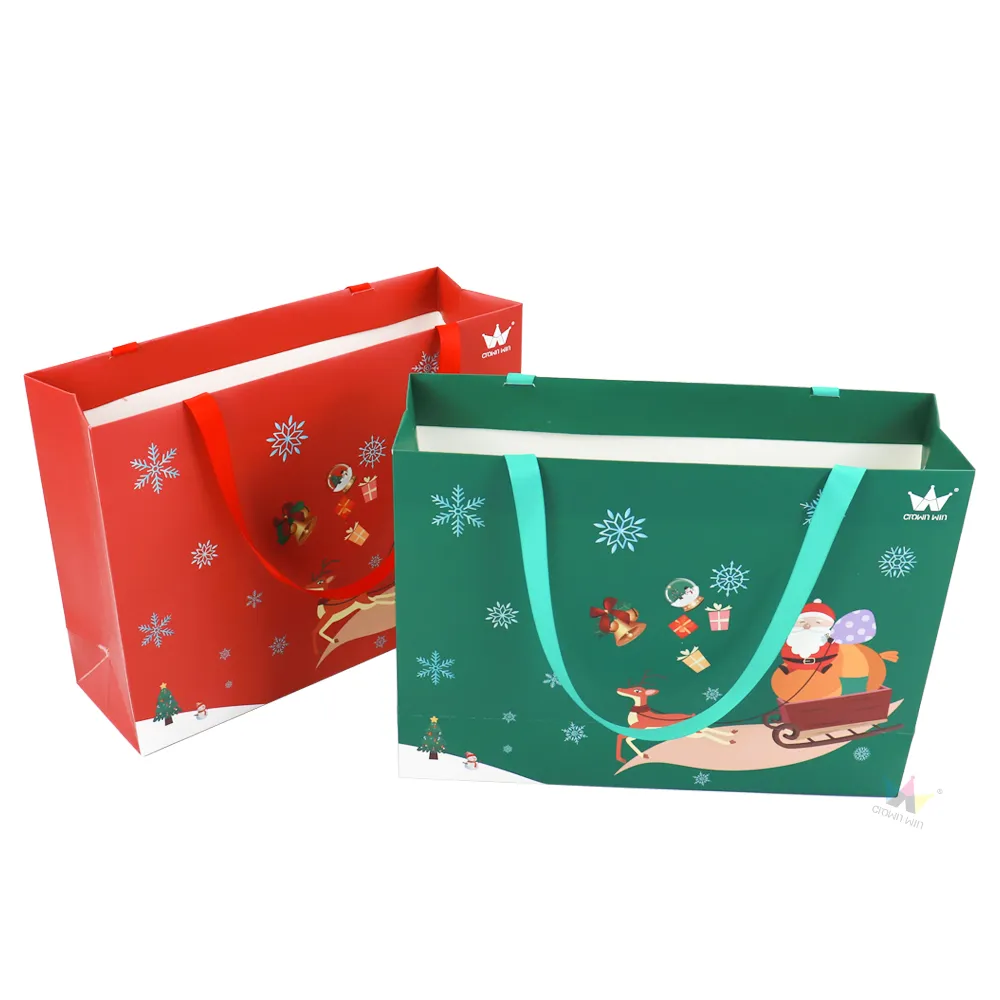
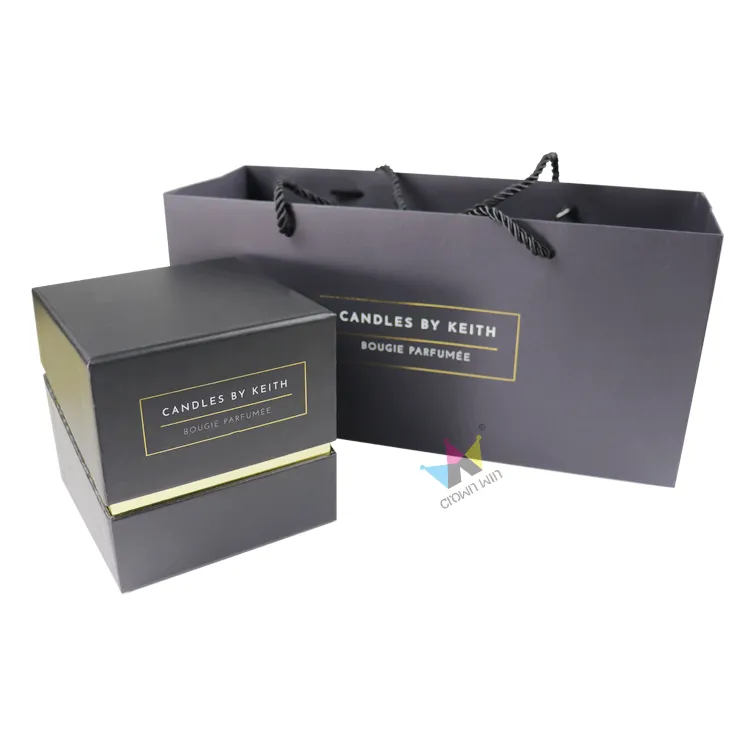
Foil stamping is one of the most popular high-end decorative techniques for custom paper packaging. It imparts a luxurious feel to the packaging and elevates the brand's image.
When designing premium custom packaging, brands often face a choice between two processes: hot foil stamping and cold foil stamping. While both deliver a high-end, shimmering metallic finish, they differ significantly in terms of cost, detail reproduction, material compatibility, and production lead times.
In this article, Crown Win Packaging draws on real-world client cases and our factory's manufacturing expertise to provide a detailed analysis of the key differences, pros and cons, and ideal use cases for both hot and cold foil stamping.
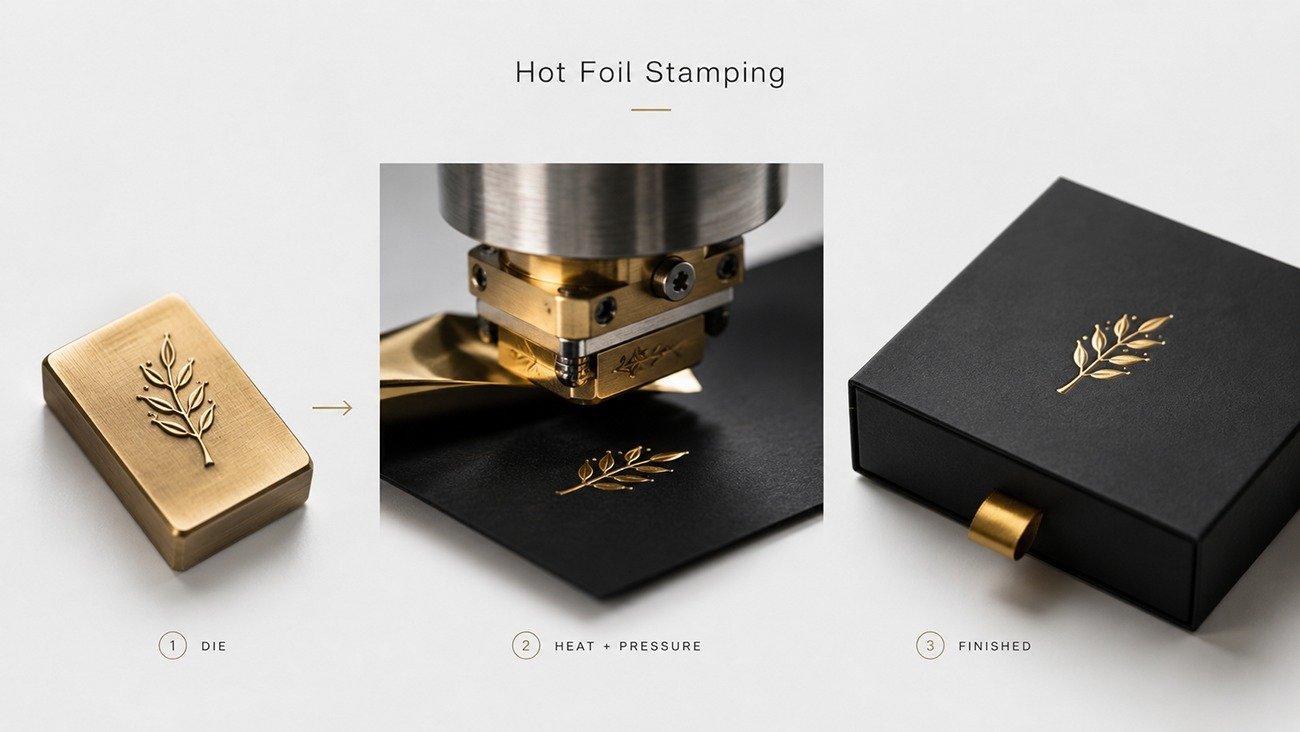
What is Hot Foil Stamping?
Hot foil stamping is a traditional, well-established surface finishing technique. It uses a heated metal die to press and transfer metallic foil onto the paper surface under high heat and pressure. This process creates metallic patterns, logos, and text that are substantial, vivid, and highly scratch-resistant. Thanks to its tactile quality and dimensional effect, hot foil stamping is widely regarded as the premier choice for luxury packaging.
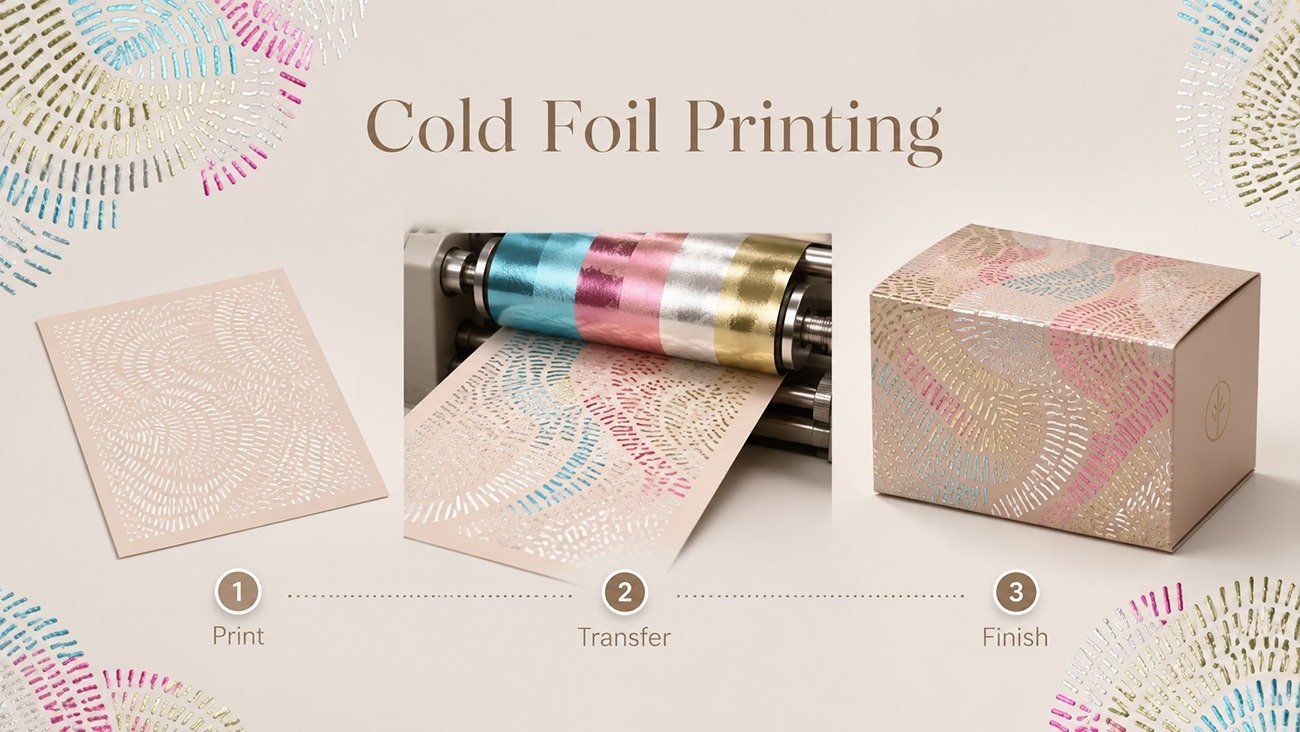
What is Cold Foil Printing?
Cold foil printing is a modern, highly efficient metallic decoration technique. It utilizes a specialized adhesive printing process to bond the foil to the paper, eliminating the need for high heat or custom metal dies. This method supports ultra-fine lines, metallic gradients, and large-area coverage, offering advantages such as rapid production speeds and lower plate-making costs.
Key Differences Between Hot and Cold Foil Stamping
Detail Reproduction: Cold foil excels at rendering tiny fonts, fine lines, and complex gradient designs; hot foil is better suited for bold logos and text, delivering a thicker, more dimensional, and solid metallic finish.
Cost and Lead Time: Cold foil requires no dies, saving on plate-making costs and shortening production cycles; hot foil requires custom metal dies, making it better suited for large-volume, steady orders.
Durability: Hot foil offers superior adhesion and abrasion resistance, making it less likely to flake off during shipping or daily use; cold foil is relatively less durable over the long term. Material Compatibility: Cold foil stamping is suitable for most coated papers, kraft papers, and specialty papers; hot foil stamping, however, accommodates a wider range of textured papers, enabling a more premium, bespoke look.
Real-World Client Case Study:
A French high-end cosmetics brand commissioned us to produce a limited-edition gift box. The client initially planned to use hot foil stamping for the brand's intricate, fine-line graphic; however, this would have resulted in high tooling costs and difficulty in clearly rendering the minute details.
Our technical team proposed a targeted optimization strategy: using cold foil stamping for the complex gradient patterns and fine lines, while applying hot foil stamping to the prominent brand logo to create a tactile, three-dimensional effect.
This hybrid approach perfectly captured the exquisite visual details while effectively controlling production costs. The final product boasted a premium, multi-layered metallic sheen, helping the brand's limited-edition item stand out in the market. Consequently, the client decided to establish a long-term, high-volume partnership with our factory.
Why Choose Crown Win Packaging Manufacturer?
As a professional paper packaging and printing factory, we have mastered both hot and cold foil stamping technologies, providing bespoke, high-end surface finishing solutions to global brands for 18 consecutive years:
Dual-Process Capabilities: We support hot foil stamping, cold foil stamping, and hybrid processes, offering the flexibility to meet diverse design styles, budget requirements, and production volumes.
Precision Manufacturing: Equipped with state-of-the-art stamping and printing machinery, we effectively prevent issues such as blurred graphics, foil flaking, and uneven coloring, ensuring superior product quality.
Expert Technical Advice: Our technical team offers free evaluations of your designs and product positioning, recommending the most cost-effective stamping solutions to strike the perfect balance between aesthetics and budget.
Strict Quality Control: Every batch of stamped packaging undergoes rigorous testing for abrasion resistance and visual quality, ensuring consistent excellence.
Conclusion
Hot foil stamping is the ideal choice for creating a luxurious, three-dimensional, and durable metallic finish, whereas cold foil stamping is better suited for intricate designs, rapid production, and cost-sensitive orders. For most high-end custom packaging projects, a strategic combination of these two processes often yields the best results in terms of visual impact and cost-efficiency. If you require professional guidance on foil stamping or cold foil processes, Crown Win Packaging Manufacturer is ready to provide a comprehensive, one-stop custom packaging solution.