The coffee and tea product industry has far evolved beyond generic plastic bags and paper bags. As a professional paper packaging and printing factory—Crown Win Box Manufacturer—we break down the four core differences between coffee and tea paper packaging and plastic packaging, helping you make choices that boost sustainability, shelf appeal, product protection, and brand value.
1. Sustainability and Environmental Impact
Plastic Packaging
Most plastic coffee/tea packaging relies on petroleum-based materials, non-biodegradable films, and chemical-based inks. Traditional plastic lamination leaves microplastics behind, complicating recycling and taking hundreds of years to decompose. Even biodegradable eco-plastics require specific industrial composting conditions to break down, making them impractical for mainstream consumers.
Paper Packaging
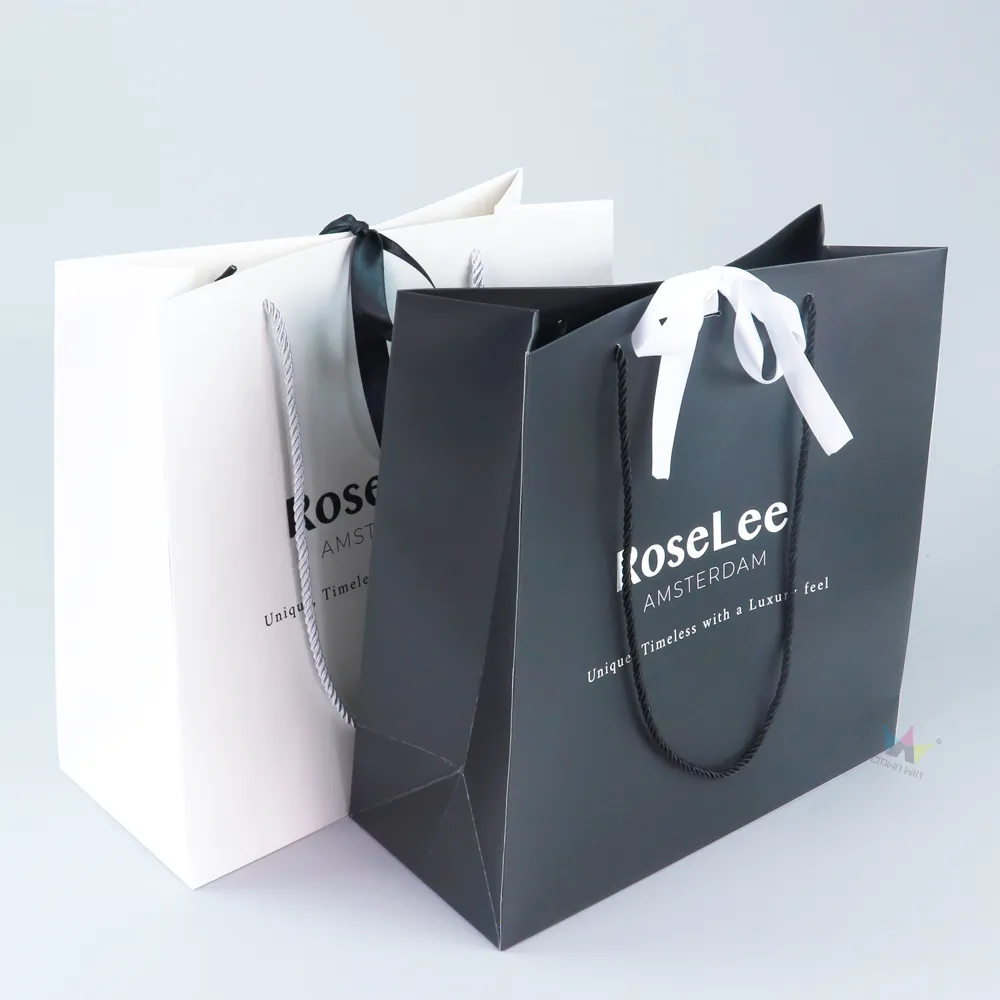
We use recyclable kraft paper and paperboard, paired with soy-based or water-based inks to simplify recycling and composting. Instead of harmful plastic laminates, we apply water-based varnishes or biodegradable laminates for scratch and dent resistance—eliminating environmental harm and waste. Paper decomposes quickly, perfectly aligning with your brand’s eco-friendly positioning and meeting global sustainability trends.
2. Structural Diversity and Retail Visibility
Plastic Packaging
Plastic is limited to standard packaging bags and rigid containers, resulting in universal, repetitive designs that offer minimal space for creative shaping. This restricts your product’s ability to stand out on crowded retail shelves and online unboxing platforms.
Paper Packaging
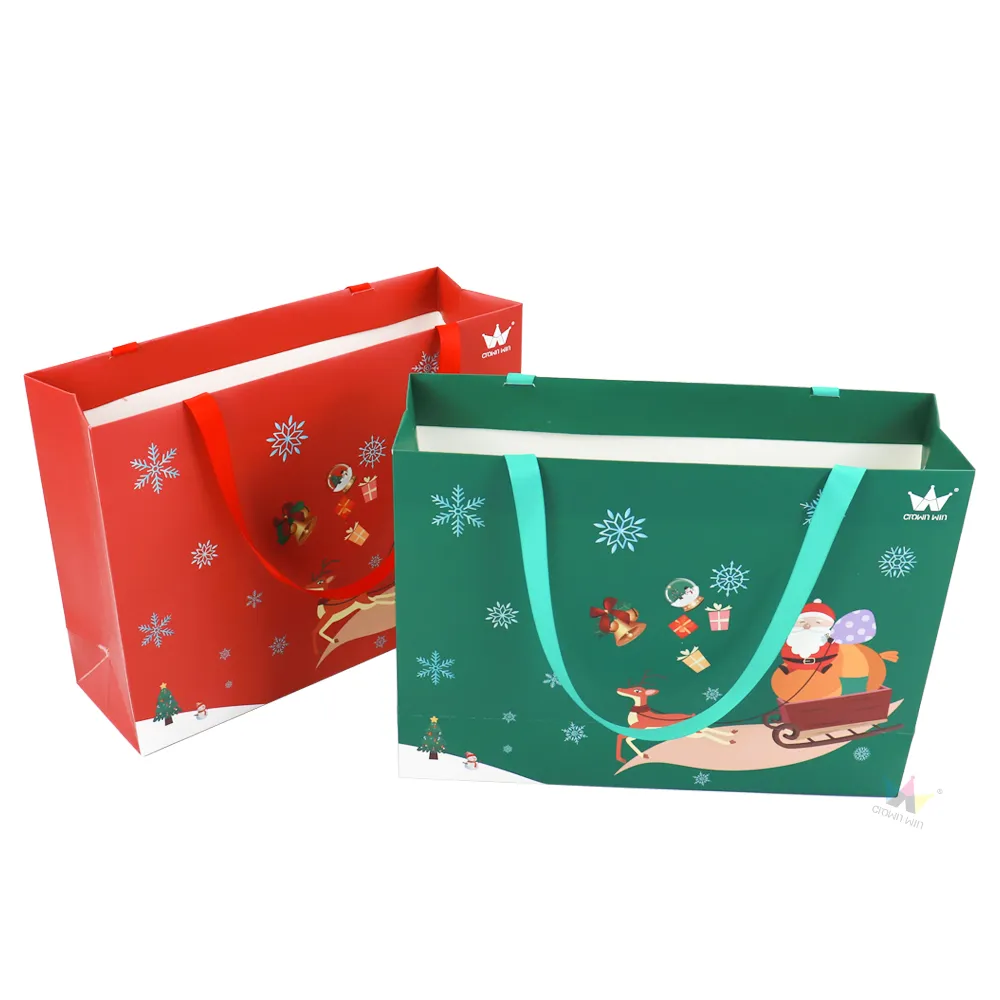
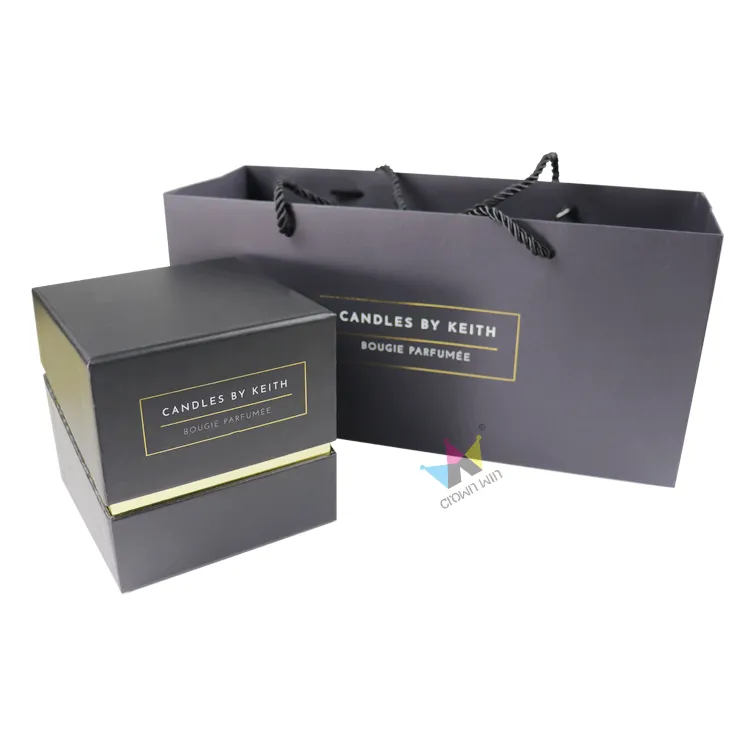
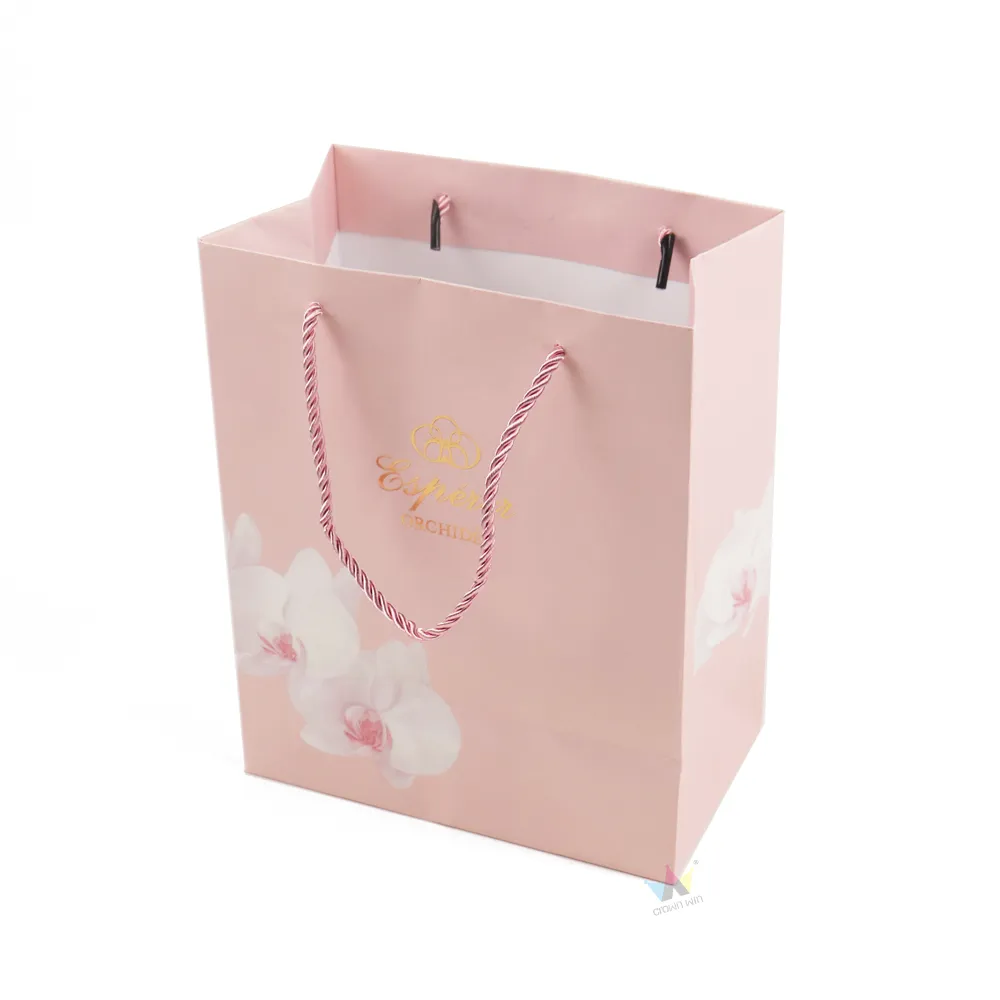
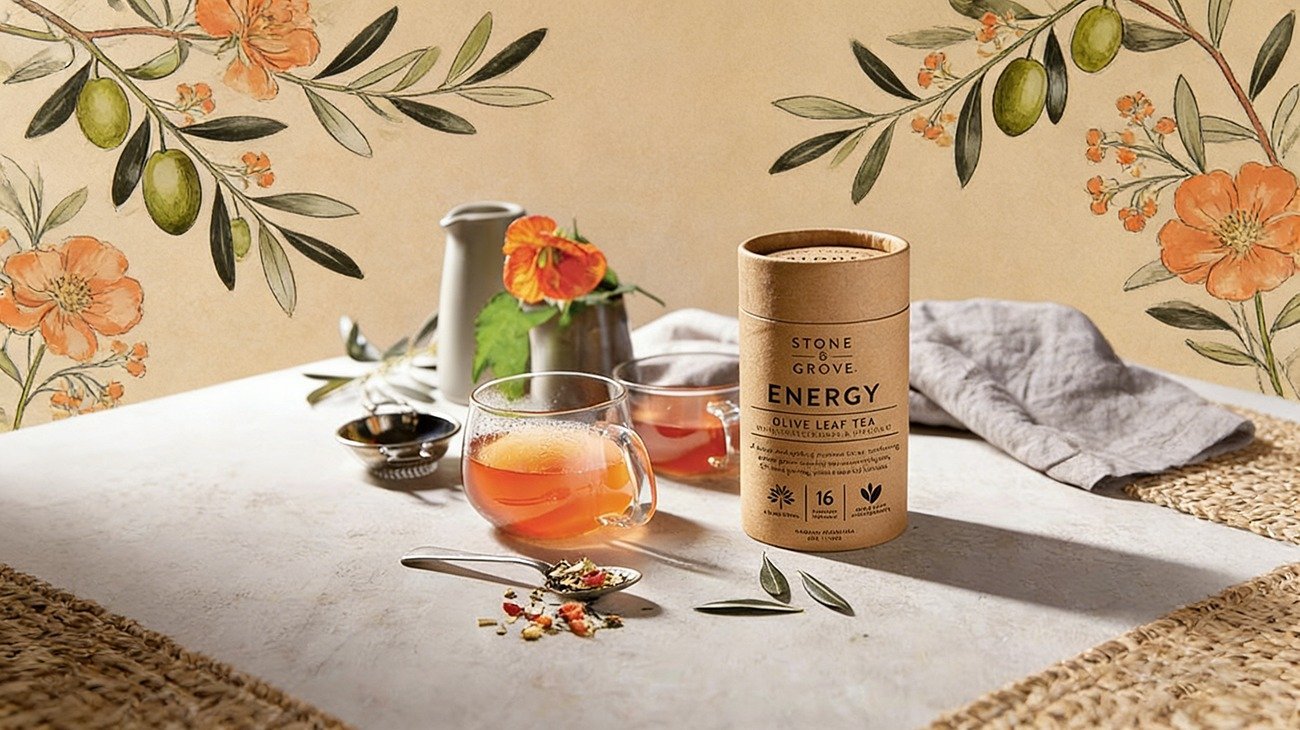
Paper supports endless custom structures: paper tubes for whole beans, tray-and-sleeve boxes, paper bags, corrugated mailers, and rigid boxes with custom inserts. These unique shapes instantly attract shoppers and are compatible with loose leaves, capsules, and cans—adapting to all coffee and tea product formats.
3. Customization and Brand Flexibility
Plastic Packaging
Printing on plastic materials is highly limited, and redesigning plastic packaging is both costly and time-consuming. Any design update requires full retooling, making it difficult to keep up with seasonal launches or brand rebrands.
Paper Packaging
Paper materials enable high-resolution printing and flexible customization, with low costs and fast update speeds. You can use bold color schemes, origin-inspired patterns, and flavor-coded designs. Additionally, custom sleeves and stickers let you refresh brand messaging without replacing entire packaging runs—maximizing branding flexibility and reducing long-term costs.
4. Product Protection and Practicality
Plastic Packaging
While plastic provides basic barrier protection, it lacks the structural rigidity needed to transport coffee capsules or tea cans. Its low-cost appearance also undermines premium product positioning, weakening brand perception among discerning consumers.
Paper Packaging
Our rigid and corrugated cardboard boxes feature custom internal inserts to stabilize capsules and cans during transit. Water-based coatings preserve product freshness and prevent scuffs, while sturdy paper structures maintain a high-quality, professional look from retail shelves to customer doorsteps—balancing protection and brand value.
Conclusion
Plastic packaging may seem low-cost upfront, but it harms the planet, limits creative design, and weakens brand awareness. Crown Win Box Manufacturer’s paper packaging solutions balance sustainability, design freedom, product protection, and cost-effectiveness, helping your coffee or tea brand attract loyal, eco-conscious customers and stand out in a competitive market.
Contact us immediately to embark on your customized journey:
WhatsApp:+86 13925505272
Email: maberry@crownwin.com.cn