Hot stamping is a widely used decorative technique in packaging printing, which can significantly enhance the visual texture and high-end style of products. However, its oxidation problem has always been a core pain point for industry practitioners. Once hot stamping oxidation occurs, it will not only seriously damage the appearance integrity of printed products, but also cause irreparable batch loss, order loss, and after-sales problems. This article will break down typical cases and core causes of hot stamping oxidation in the system, providing direct and practical prevention and solution methods to help packaging and printing enterprises avoid production risks.
1. Typical production cases of hot stamping oxidation
In the actual production of printing and packaging, hot stamping oxidation is often concentrated in specific process combinations. The following are typical cases of high-frequency occurrence in the industry:
Printing+hot stamping+laminating combination process: When using the "printing → hot stamping → laminating" process, it is easy to cause large-scale hot stamping oxidation. For example, after using blue or bright silver hot stamping paper, the ink components react chemically with the coating of the hot stamping paper, directly inducing oxidation; Even if the "black ink printing+hot stamping+gloss coating" process is used, it is difficult to completely avoid the risk of oxidation of the hot stamping layer, which is a common process oxidation problem in the packaging industry.

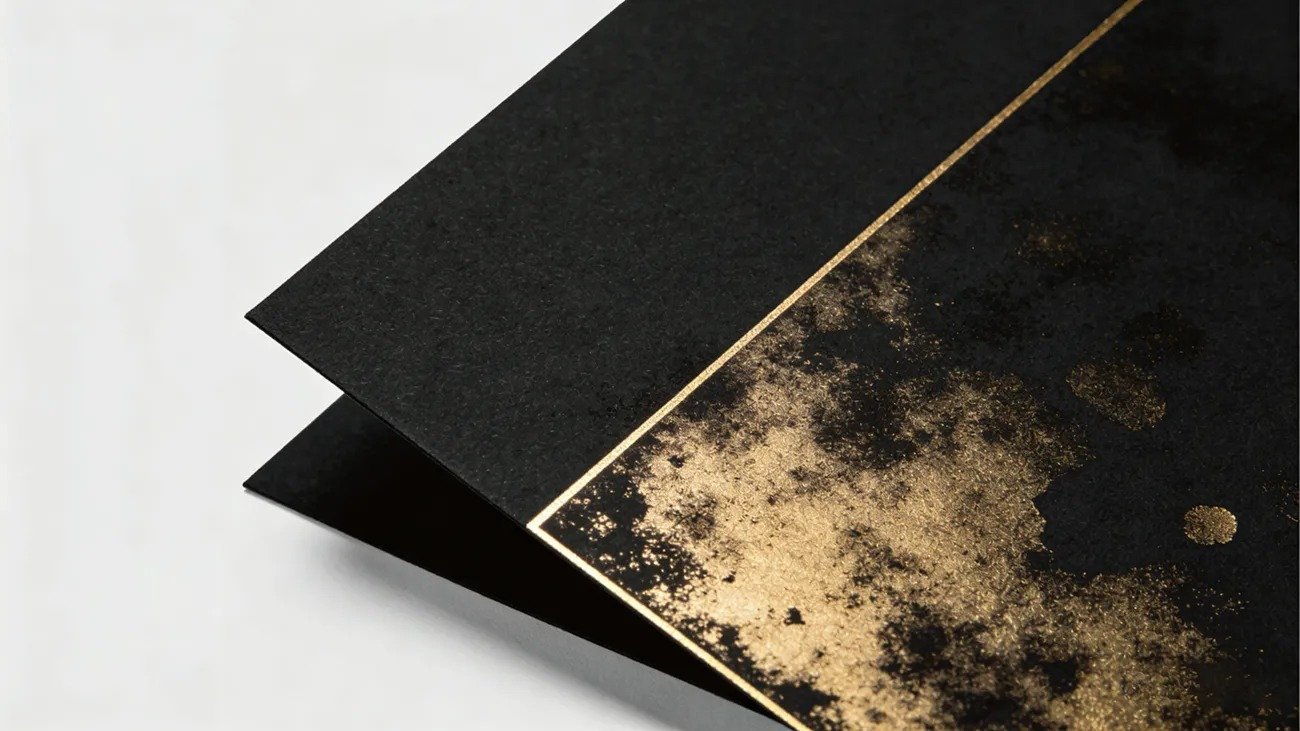
Black card direct hot stamping: Directly hot stamping on the surface of solid color black cards or embossed black cards can easily lead to comprehensive oxidation. The core reason is that black cards contain special ingredients such as carbon black and acid dyes, which can directly react with the aluminum layer of the hot stamping paper, leading to frequent oxidation problems and serious harm, especially affecting the quality of high-end gift boxes, greeting cards and other products.
Pearlescent paper hot stamping: Pearlescent paper has a special pearl pigment and coating structure on its surface, and irregular spots are prone to appear in the hot stamping area after hot stamping. This is a typical local oxidation characteristic of pearl paper hot stamping, which is particularly common in cosmetics packaging and gift box production.

Touch paper/touch film hot stamping: The surface of touch paper and touch film is coated with a special touch coating. If key process details such as temperature control, pressure regulation, and timing of film coating are ignored during the hot stamping process, it will not only cause oxidation, but also damage the original delicate touch and visual texture of the product, affecting the market competitiveness of touch packaging.
A special scenario that is easily overlooked: the rope embossing area of the hot stamping product is prone to oxidation reaction with the hot stamping paper due to changes in the surface structure of the substrate after embossing. This issue is often overlooked due to insufficient attention during production, ultimately leading to batch defects and increasing the cost of rework for the enterprise.
2. The core cause of hot stamping oxidation
Hot stamping oxidation is not an accidental phenomenon, but the result of the synergistic effect of multiple factors such as moisture, substrate composition, and production process. Accurately identifying the cause is a prerequisite for effective prevention and control:
(1) Moisture residue:
Moisture is the core factor that triggers hot stamping oxidation. On the one hand, in the laminating process, the glue is not completely dried, and residual moisture will gradually seep into the interior of the paper, causing oxidation reaction with the aluminum layer of the hot stamping paper, resulting in discoloration, mottled, and loss of luster of the hot stamping layer; On the other hand, if the drying time on the surface of printed materials is insufficient after oil coating, or if hot stamping operations are carried out hastily before the ink is completely cured, the residual moisture and volatile solvents in the ink and coating layer will react quickly with the aluminum layer, directly causing oxidation problems.
(2) Substrate composition:
The composition of the substrate itself is the core internal cause of hot stamping oxidation. When substrates containing carbon black (such as various black and dark inks) or acidic and alkaline components (such as black cardboard and pearlescent paper) come into direct contact with the aluminum layer of hot stamping paper, irreversible chemical reactions will be quickly triggered. This type of contact oxidation is difficult to avoid in sensitive substrate hot stamping and needs to be avoided through process optimization.
(3) Process design:
Omissions or unreasonable designs in production processes can significantly increase the probability of hot stamping oxidation. For example, direct hot stamping without adding a barrier layer on the surface of the ink results in direct contact between the ink components and the aluminum layer; For example, if the process sequence is not properly arranged, immediately carry out processes such as film coating, UV irradiation, and UV oil coating after hot stamping. High temperature environments or chemical substances can accelerate the oxidation reaction of the hot stamping layer, exacerbating the occurrence of defects.
3、 Practical solution for hot stamping oxidation
(1) Strictly control moisture and residual moisture to prevent oxidation from the source
1. Standardize the material storage and production environment, maintain dry and ventilated warehouses and workshops, equip with precise temperature and humidity monitoring equipment, and real-time control the humidity exposure risk of raw materials and work in progress; If the humidity in the production environment cannot be avoided, targeted anti-seepage pretreatment should be carried out on the substrate and hot stamping paper to block the path of moisture infiltration and reduce the probability of oxidation.
2. Optimize the laminating process parameters, reasonably extend the drying time according to the type of glue and environmental humidity, confirm through sampling and testing that the glue is completely cured before entering the subsequent process, and eliminate the problem of hot stamping oxidation caused by residual moisture from the source.
3. Prioritize the use of antioxidant series hot stamping paper to fundamentally reduce the probability of oxidation reactions. This type of hot stamping paper is particularly suitable for high humidity production environments or sensitive substrate processing scenarios, and is an efficient prevention and control measure for packaging enterprises.
(2) Isolate substrate reaction components and block oxidation pathways
1. Avoid direct hot stamping on sensitive substrates such as black cardboard and pearlescent paper, and indirectly reduce the direct contact between reaction components and hot stamping paper through process optimization to avoid oxidation risks in the process.
2. Add a dedicated isolation layer process, which can establish a physical barrier between the substrate (or printing surface) and the hot stamping paper by coating dedicated isolation oil, pasting isolation film, coating transparent base oil, etc., completely blocking the chemical reaction path and effectively preventing contact oxidation.
3. Adopting a dual protection scheme of "isolation treatment+anti-oxidation hot stamping paper" to achieve dual protection for substrates containing carbon black and acidic/alkaline components, minimizing the risk of hot stamping oxidation and stabilizing product quality.
(3) Optimize the entire process technology and strengthen prevention and control measures for all employees
1. Based on the characteristics of the substrate, ink type, and subsequent process requirements, accurately select hot stamping paper models with strong adaptability, improve the compatibility between materials, reduce oxidation reaction hazards from the source, and reduce production losses.
2. Reasonably plan the process sequence and strictly prohibit direct hot stamping on uncured ink; Try to avoid immediately carrying out processes such as laminating, UV lamp irradiation, UV oil coating, etc. after hot stamping. If production needs to be carried out, sufficient cooling buffer time should be reserved or transitional processes should be added to slow down the oxidation reaction rate.
3. Carry out specialized technical training for all departments, popularize knowledge of hot stamping oxidation prevention and control to personnel in procurement, process design, technical research and development, production operation, and other links, strengthen the prevention awareness of all staff, establish a cross departmental linkage reminder mechanism, and achieve full process and no blind spots oxidation risk control.
Hot stamping oxidation is not an industry problem that cannot be solved. For printing and packaging enterprises, as long as the causes of oxidation are accurately identified, suitable materials and protective solutions are selected, and the entire production process is optimized and control is strengthened, oxidation risks can be effectively avoided, the quality of hot stamping products can be stabilized, batch losses and economic losses can be minimized, and product market competitiveness can be enhanced.