Buyers often encounter post-purchase issues when ordering custom logo paper bags—such as problems arising during in-store use or cross-border shipping.
Common issues include: insufficient paper strength leading to breakage during transit, blurry logo printing, incorrect handle styles, materials that fail to meet EU market regulations, and Minimum Order Quantities (MOQs) that do not align with expectations. Failure to clarify specifications before production can result in wasted budgets, missed retail launch dates, and damage to the brand's image. For retail brands sourcing custom-printed paper bags, clearly outlining precise requirements in advance is the simplest way to avoid costly rework.
1. Paper Material and Grammage Specifications
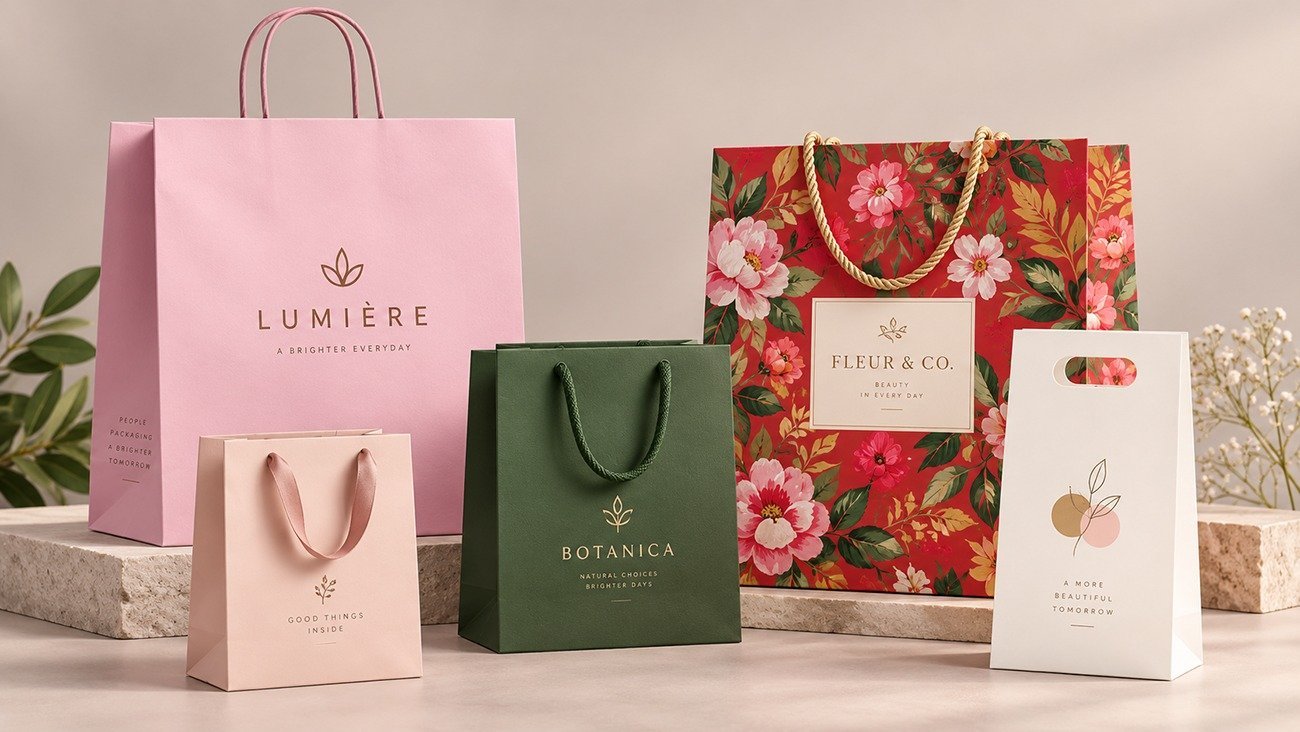
Paper grammage determines durability and tactile quality. Buyers must confirm the paper type beforehand: Kraft paper, coated paper, recycled paper, or FSC-certified paper. Thicker paper (250–350 gsm) is suitable for heavier retail goods, while lighter paper (180–220 gsm) suits apparel and small gifts. For exports to the EU, verify recycled material content and FSC certification status to ensure compliance with packaging regulations.
2. Logo and Printing Details
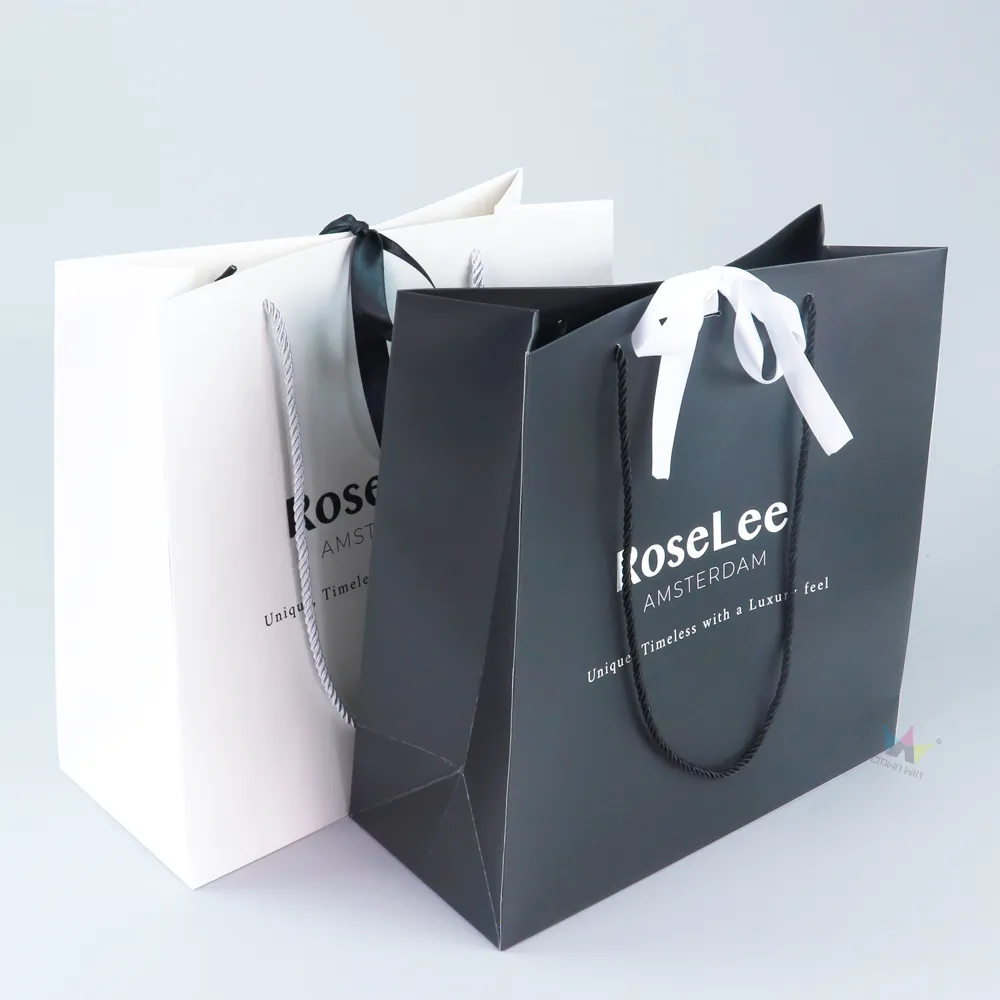
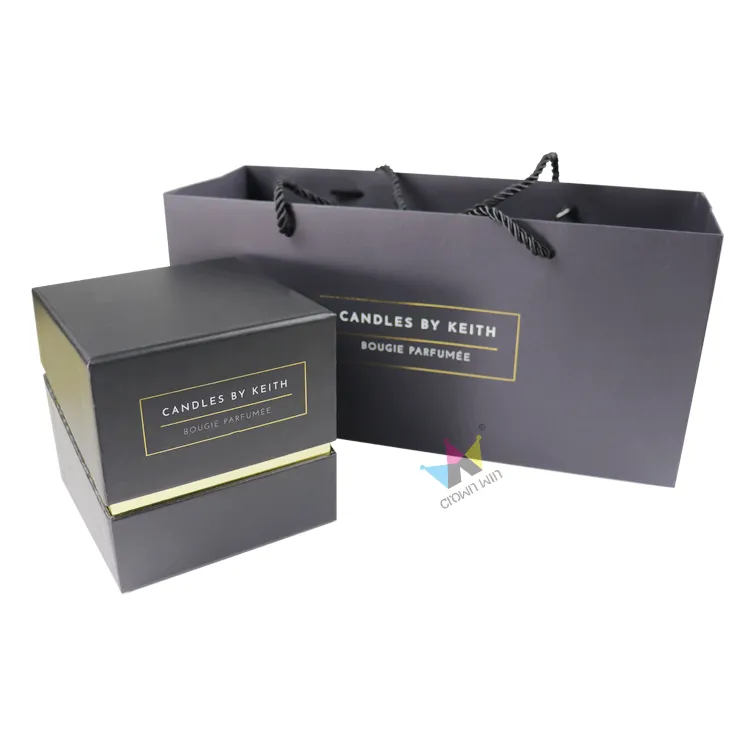
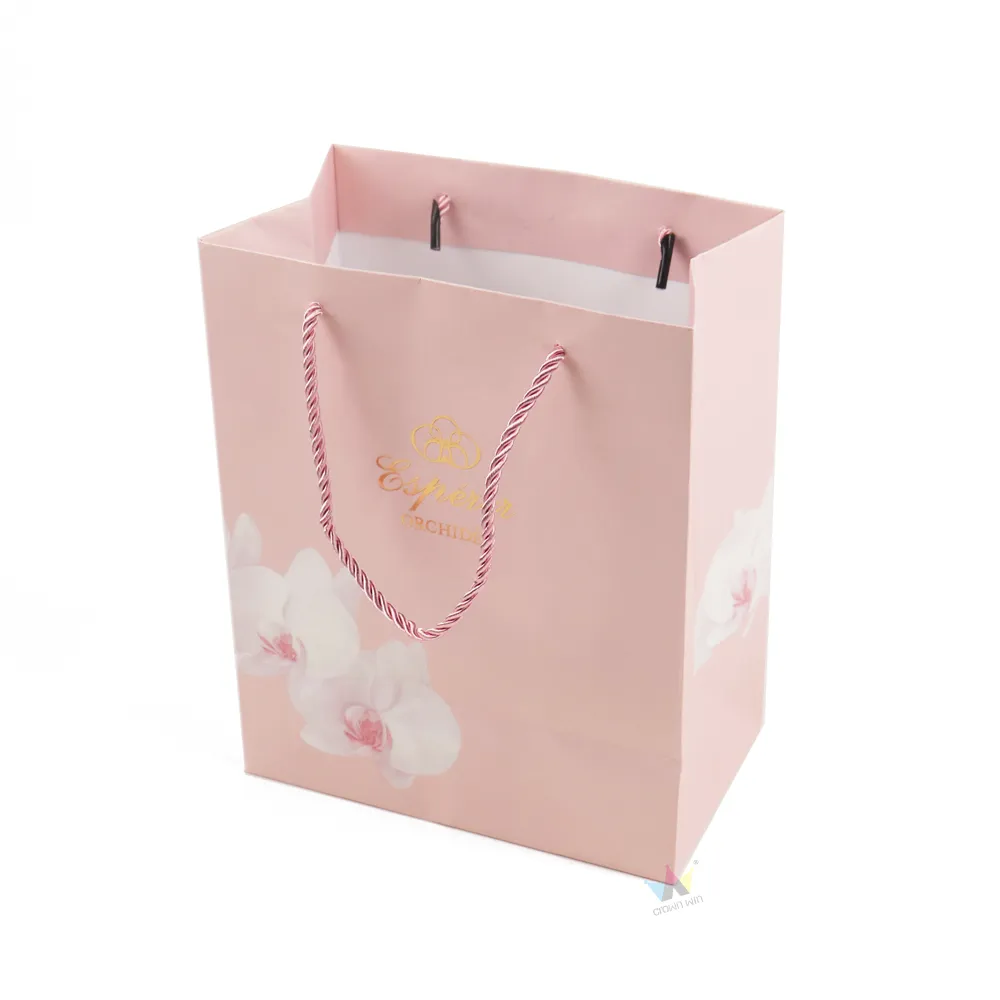
Clearly define logo dimensions, placement, printing techniques, and color matching requirements. Common techniques include CMYK full-color printing, hot stamping, embossing (raised relief), and debossing (recessed relief). A common mistake made by retail brands is providing low-resolution logo files, resulting in blurry graphics on mass-produced bags. Always request a digital proof before mass production to verify Pantone color accuracy.
3. Handle Style and Structural Dimensions
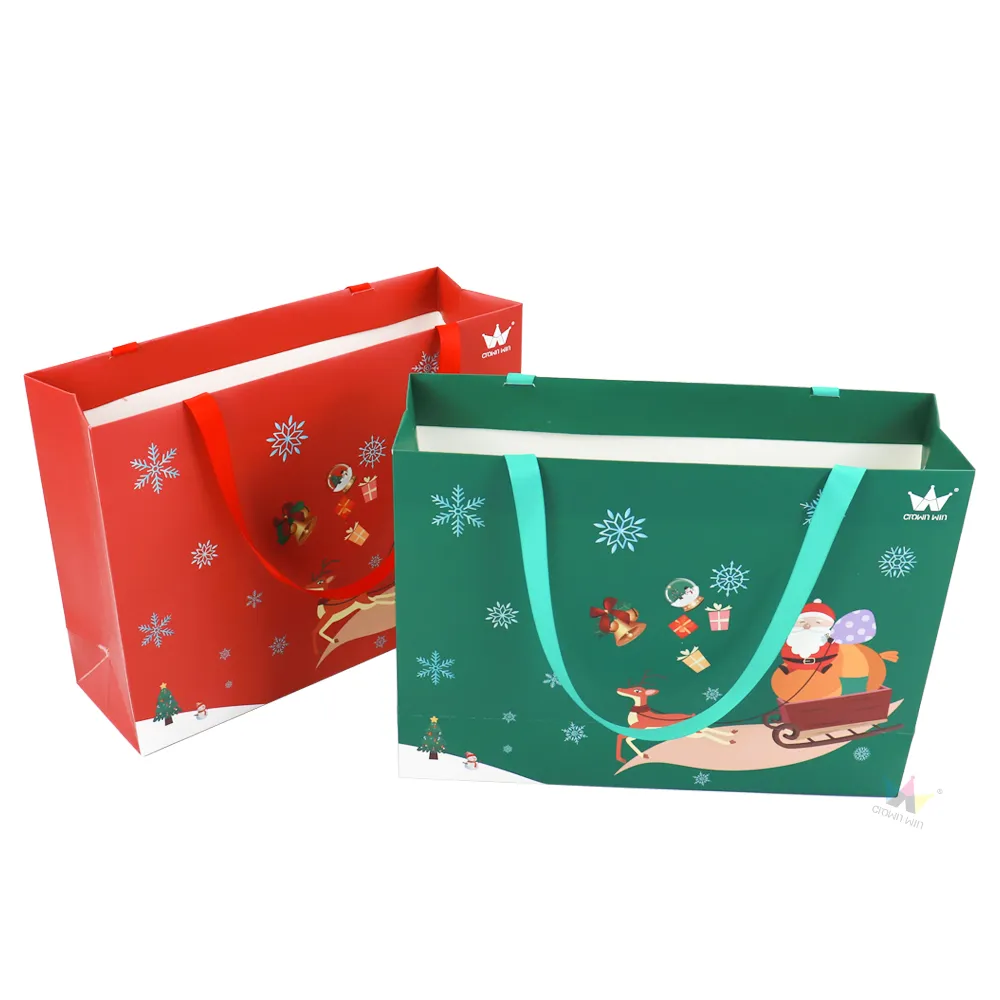
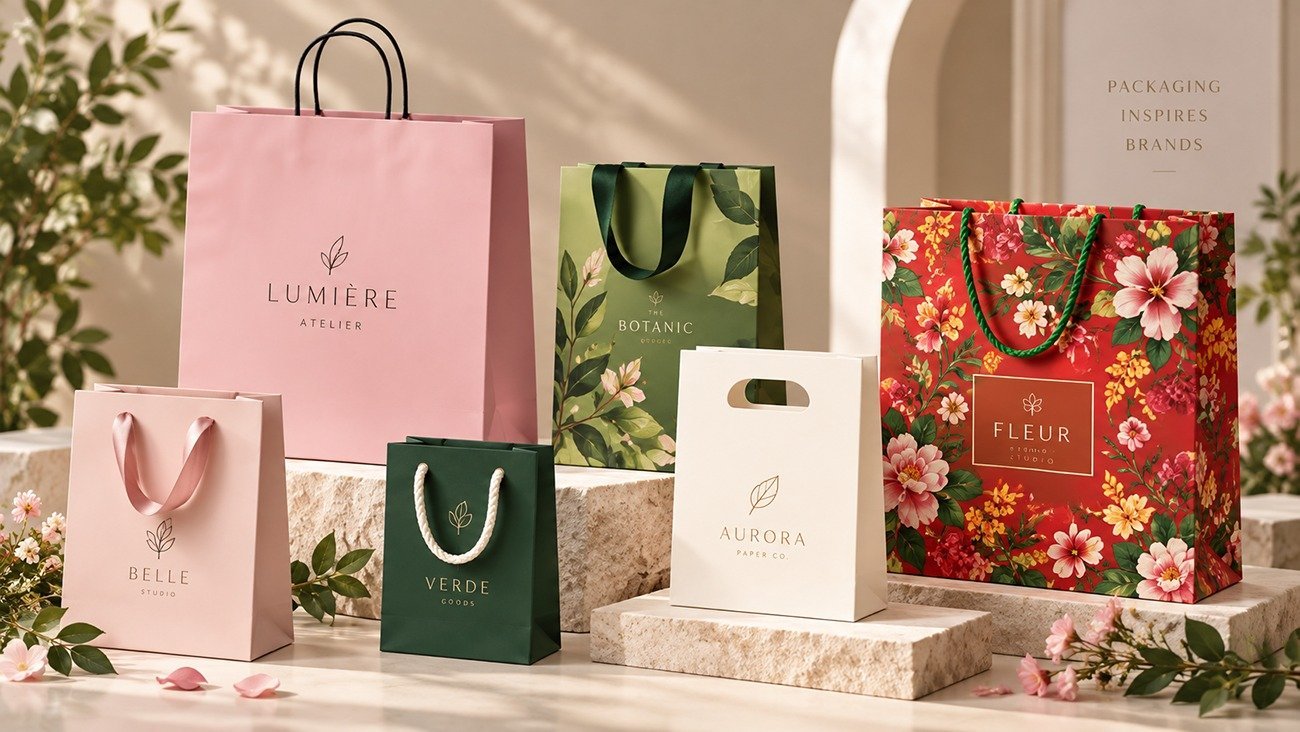
Handles directly impact the customer experience. Options include twisted paper handles, flat paper handles, and rope handles. Specify the bag's width, height, and gusset (side width) to ensure a proper fit for your retail products. For wholesale orders, the stackability of the bags is crucial for warehouse storage and shelf display.
4. Compliance, MOQ, and Delivery Terms
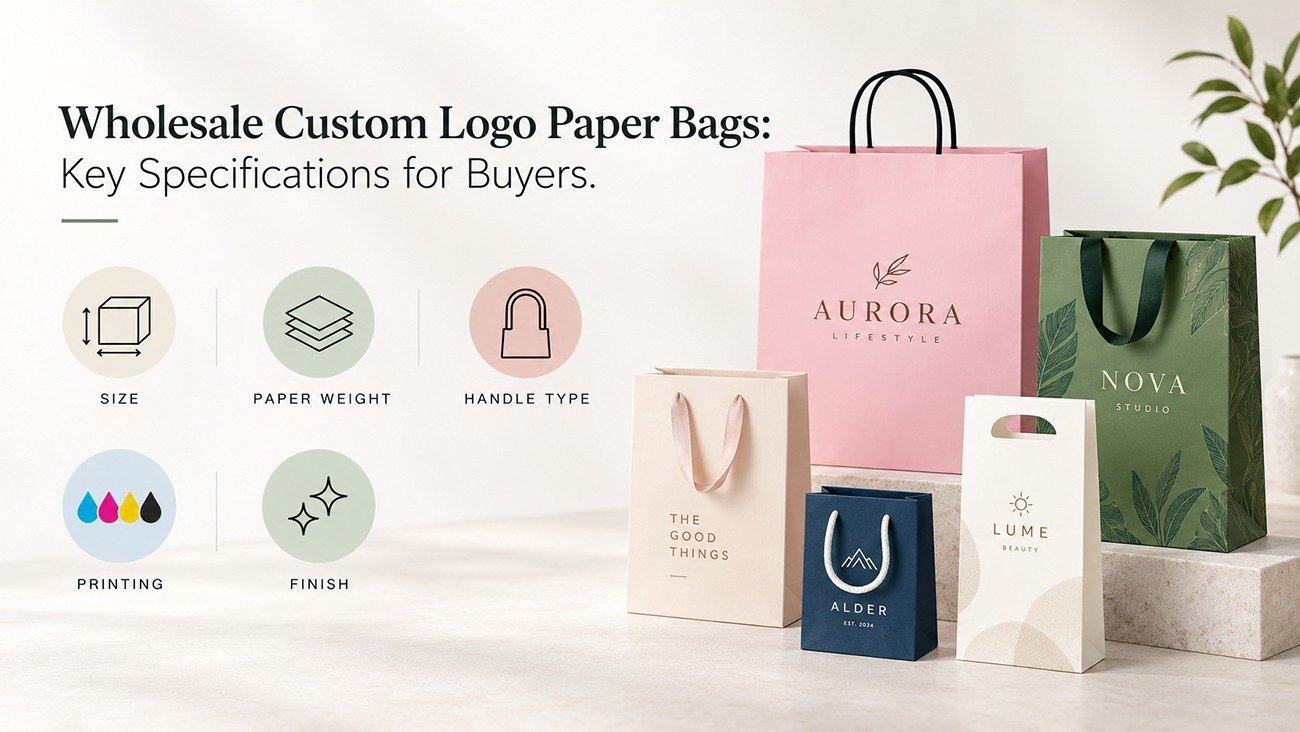
For cross-border retail operations, clarify eco-labeling requirements and packaging waste regulations specific to the target market. It is also essential to confirm the Minimum Order Quantity (MOQ), production lead times, quality inspection standards, and shipping terms. Many suppliers only accept high MOQs, making it difficult for small retail brands to test new designs.
Brand Advantages
Partnering with an experienced paper packaging manufacturer can streamline the specification confirmation process. At Crown Win Packaging, our engineering team assists you in finalizing every detail of your custom-logo paper bags before production begins. We offer FSC-certified paper, conduct rigorous pre-production digital and physical prototyping, and perform comprehensive pre-shipment quality inspections for export orders. We support low MOQs to meet the trial-run needs of retail brands, ensure stable lead times, and provide full documentation to meet EU packaging compliance requirements. Our team comprehensively evaluates design drafts, materials, and structural integrity to prevent common errors in retail packaging.
Conclusion
Clear specifications are the foundation of successful custom-logo paper bag production. Clearly defining requirements for materials, printing, dimensions, and compliance effectively reduces the risk of delays and rework for retail brands.
You can also read our related blog post, "How to Design Packaging for Wholesale Procurement," to learn more tips on bulk packaging purchasing.
If you are a retail buyer planning to order custom-printed paper bags, please send your design requirements to our team for a free consultation and a quote for prototyping.