Holidays and peak shopping seasons present massive sales opportunities for beauty, gift, and e-commerce brands; however, planning seasonal packaging inventory often proves to be a major headache for procurement teams.
Many brands either over-order custom paper gift boxes—resulting in a backlog of unusable seasonal packaging—or under-stock, leading to shortages that delay shipments, cause missed sales opportunities, and damage the customer experience.
Cross-border brands face additional risks: long ocean freight lead times, customs compliance reviews, and sudden demand fluctuations make inventory forecasting extremely difficult. A scientific, rational approach to seasonal packaging inventory planning balances demand forecasts, production cycles, flexible ordering, and compliance requirements, enabling brands to capitalize on peak season sales without wasting capital.

1. Develop realistic demand forecasts based on historical and market data
Avoid blindly overestimating holiday sales volume. Be sure to consult sales data from the same period in previous years, marketing and promotional plans, schedules for influencer (KOL) campaigns, and the intensity of competitors' seasonal activities.
Cross-border brands must also maintain buffer stock to handle contingencies such as logistics delays or customs holds. Do not simply set packaging quantities at 100% of projected product sales; instead, establish reasonable inventory thresholds. Excessive inventory ties up significant working capital, while insufficient stock can render products impossible to ship.
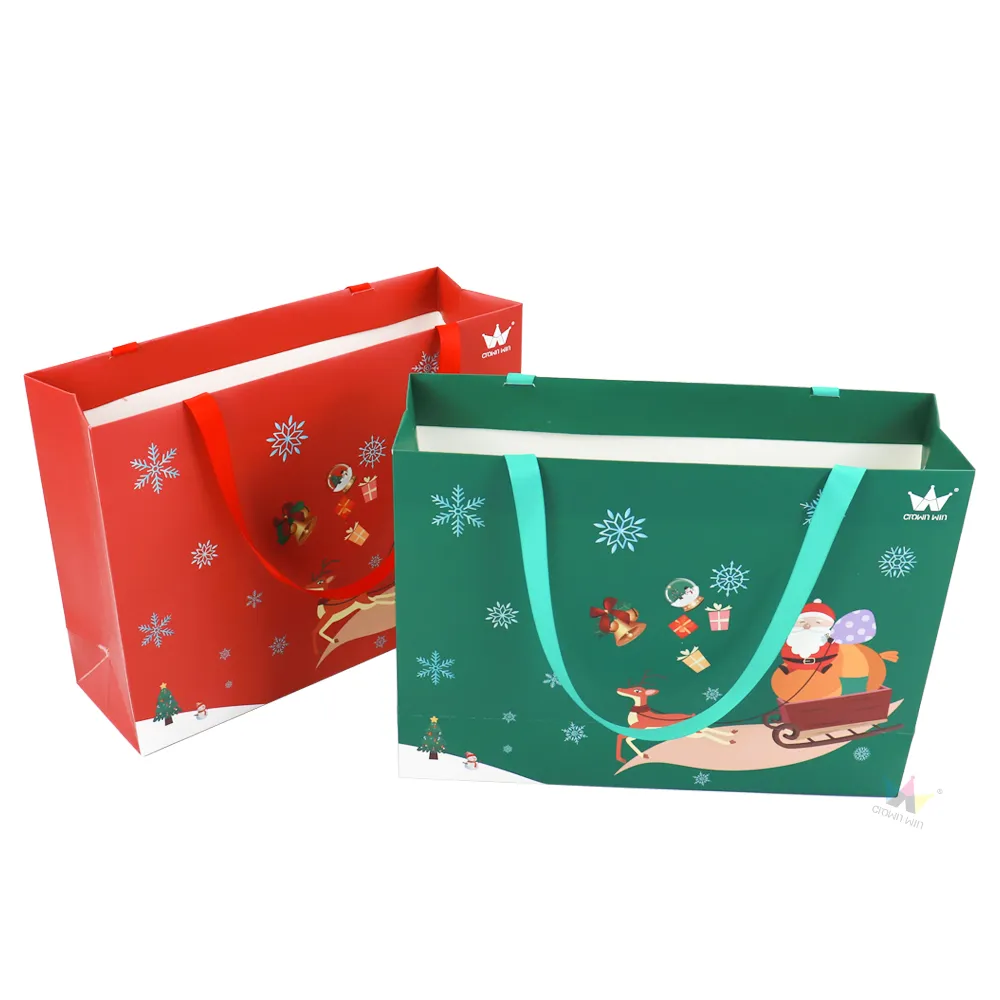
Practical Tip: Treat generic base packaging and limited-edition seasonal printed sleeves separately. Generic packaging can be saved for use in future years, while only the outer seasonal sleeves are custom-produced in smaller batches.
2. Fully account for the production cycle of custom paper packaging, especially for export orders
Procurement professionals often focus solely on sales season deadlines while overlooking the full production cycle required for custom packaging. This cycle includes design confirmation, digital proofing, physical sample approval, paper procurement, printing, post-print processing, quality inspection, and ocean freight shipping.
For goods destined for the EU, additional time must also be allocated to prepare compliance documentation related to EPR (Extended Producer Responsibility) or the PPWR (Packaging and Packaging Waste Regulation). Placing orders too late risks incurring rush surcharges, compromising print quality, or even missing the peak sales season entirely. A reliable packaging supplier should provide a clear timeline covering key milestones such as prototyping, mass production, and delivery.

3. Adopt a hybrid ordering strategy: Core inventory + flexible small-batch replenishment
Produce a base quantity aligned with peak sales forecasts while pre-negotiating flexible replenishment terms with your supplier to handle unexpected surges in demand.
This strategy is particularly effective for cross-border seasonal promotions. You can stock up on reusable, standard box structures while producing seasonal decorative inserts, wrapping paper, or outer sleeves as a flexible second batch. This minimizes the risk of excess inventory while allowing for agile production scaling if sales exceed expectations.
4. Avoid inventory write-offs in the European market due to compliance issues
Seasonal packaging destined for the EU must comply with current packaging regulations. Non-compliant printed markings, incorrect recycled material claims, or missing EPR (Extended Producer Responsibility) registration details can render an entire batch of packaging unusable.
Always verify print content, material composition, and required documentation with your supplier before mass production begins. Many brands have suffered significant losses when regulatory updates rendered large stocks of seasonal packaging obsolete.
Supplier Selection
Partnering with an experienced paper packaging provider helps brands develop robust seasonal inventory plans. Crown Win Packaging specializes in custom paper gift boxes. Our team provides realistic production schedules at the project's outset, helps clients split orders into standard base packaging and limited-edition seasonal components, and offers flexible, low-MOQ replenishment options for sudden demand spikes. Rigorous pre-shipment quality control minimizes the risk of defective inventory, while our export-oriented processes ensure EU compliance checks are completed before mass printing begins.
Conclusion
Poor packaging inventory planning can tie up capital, lead to waste, or result in missed sales opportunities. Successful planning relies on data-driven forecasting, end-to-end lead time management, hybrid batch ordering, and pre-production compliance verification for export markets.
For more insights, please read our previous article: "When Should Brands Upgrade Their Packaging?"
If you are preparing for an upcoming seasonal promotion and would like professional advice on order splitting for custom paper packaging, lead time assessment, and EU compliance, please contact the Crown Win Packaging team for a free project consultation.