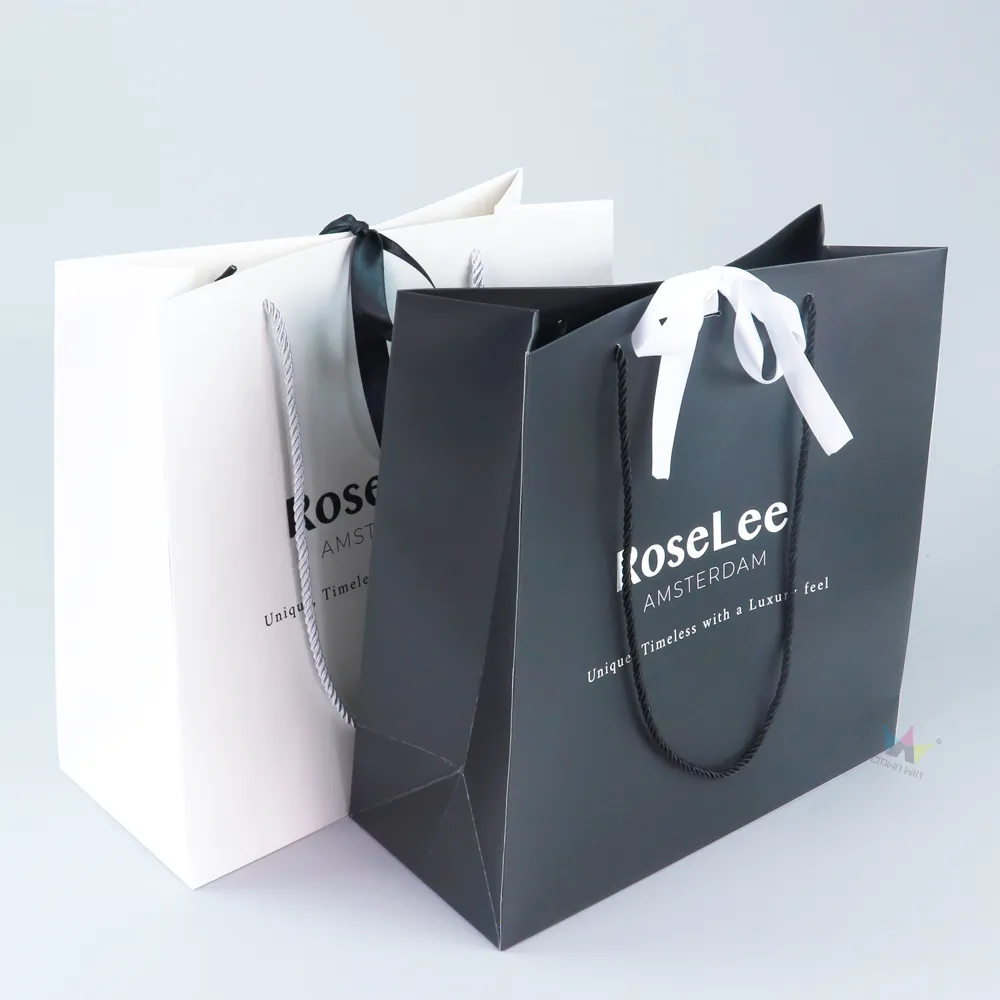
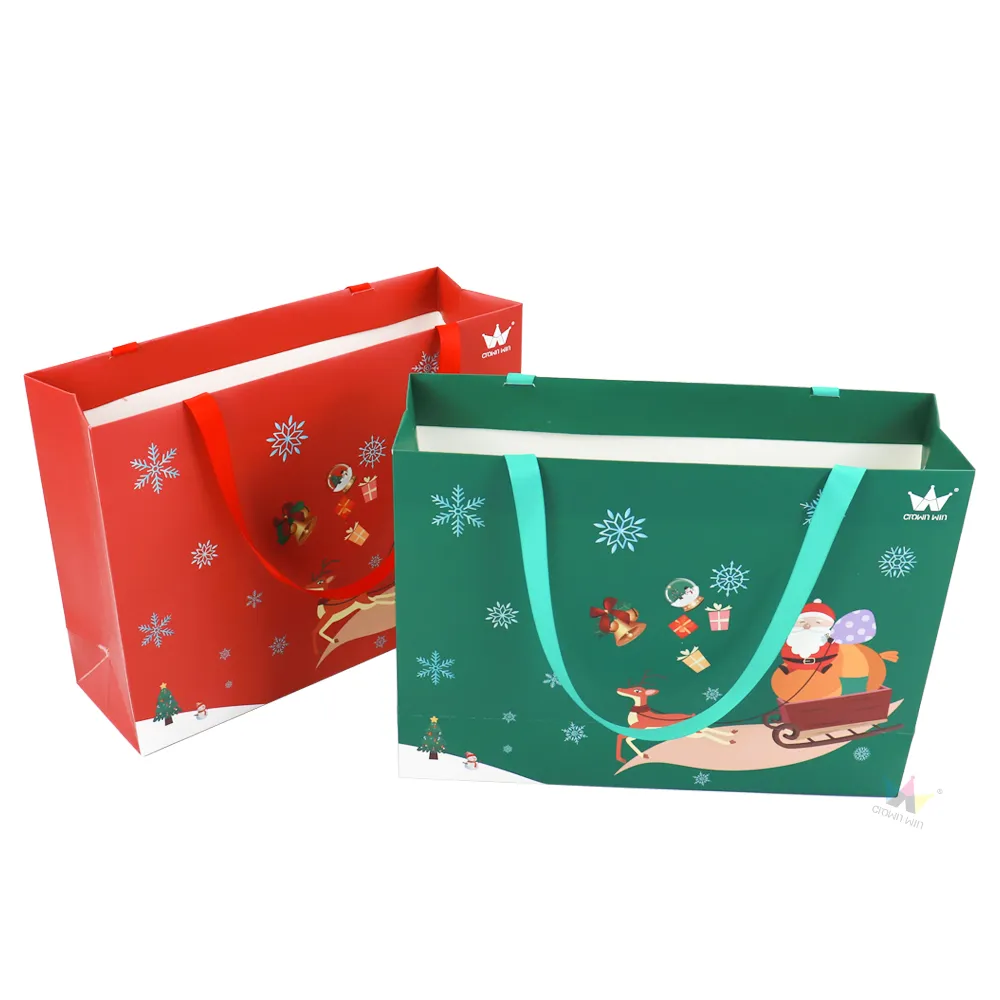
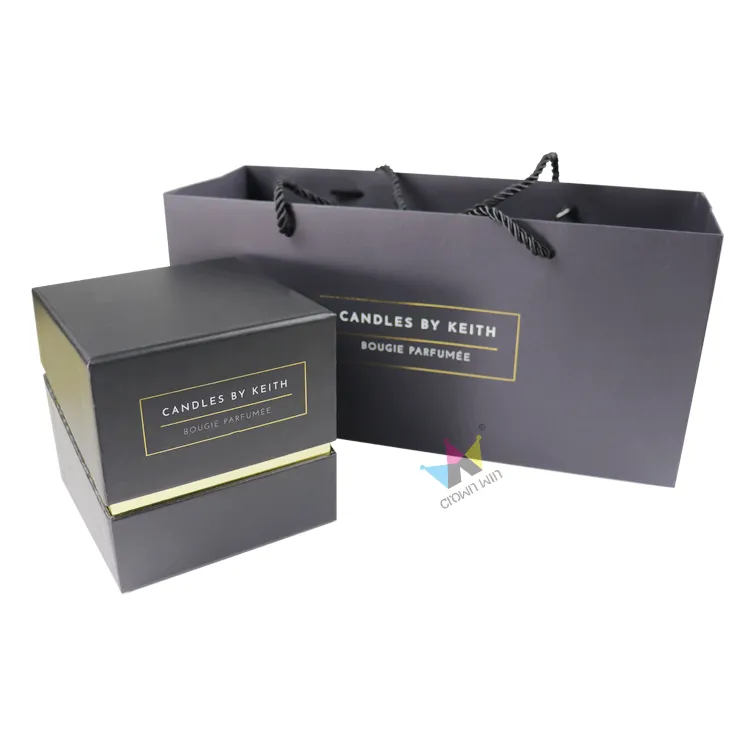
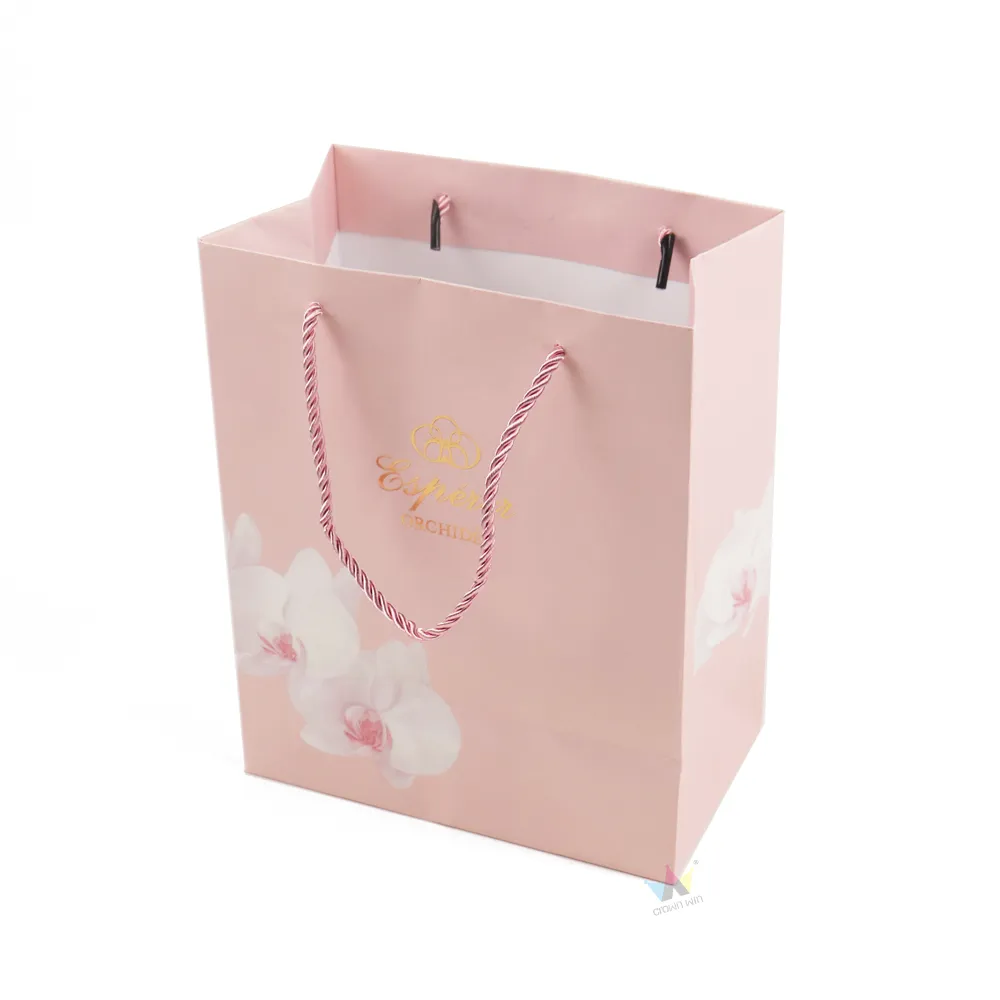
Many brands face the need to switch packaging suppliers as they grow; issues such as rising costs, inconsistent print quality, delivery delays, or failure to meet EU compliance requirements often prompt teams to seek new partners. However, switching suppliers for custom paper packaging entails hidden risks. Inadequate due diligence can lead to delayed product launches, inventory defects, non-compliant goods, budget overruns, and a compromised customer experience. Before signing with a new supplier, brands must evaluate several key factors beyond just unit price.

1. Verify Technical Capabilities Against Product Requirements
A low quote does not equate to suitable production capability. Brands need to confirm whether the supplier can handle the specific box structures, special surface finishes, printing precision, and internal insert designs required. Some factories excel at producing standard shipping cartons but may lack experience with rigid gift boxes, complex die-cutting processes, or specialty textured papers.
Request actual production samples relevant to your needs rather than generic display samples. Test for color consistency, structural stability, and material quality. For cross-border projects, confirm in advance that the supplier understands your print file standards and pre-press review processes to avoid errors during mass production.
2. Compliance and Export Documentation Readiness
For brands targeting the European market, compliance with PPWR (Packaging and Packaging Waste Regulation) and EPR (Extended Producer Responsibility) requirements, as well as FSC material certification and shipping documentation, is mandatory. Switching to a supplier that lacks compliance awareness could result in goods being detained at customs.
Check if the factory can provide valid material certificates and declarations, and if they are equipped to handle updates to packaging waste regulations. Many brands have faced hefty fines after switching suppliers because they overlooked this aspect.
3. MOQ Flexibility, Lead Times, and Scalability
Brands should consider needs ranging from small-batch trial orders to high-volume orders during peak seasons. Some manufacturers only accept high Minimum Order Quantities (MOQs), which can pose risks for seasonal launches or new product testing.
Clarify realistic production lead times rather than relying solely on the turnaround times listed in the quote. Confirm how the supplier handles fluctuations in order volume: can they rapidly scale up production capacity as your sales grow? Additionally, it is essential to establish contingency plans for raw material shortages to prevent project delays.
4. Quality Control Processes and Risk Mitigation
Switching suppliers entails the potential loss of the consistent quality assurance provided by your previous partner. Be sure to evaluate the factory's production inspection procedures, including raw material incoming inspection, pre-production sample approval, in-process inspections, and final random sampling.
Agree on a defect resolution plan in advance: How will printing or structural issues be handled upon delivery of the bulk order? A clear quality agreement helps minimize disputes following the transition.
5. Communication Management in Cross-Border Collaboration
Common challenges in cross-border packaging projects include slow response times, unclear feedback, and misunderstandings regarding design files. Assess whether the supplier assigns a dedicated project manager familiar with international brand workflows. Also, clarify arrangements for time zone differences, revision cycles, and the frequency of order status updates.
Partnering with an experienced Chinese paper packaging manufacturer can effectively mitigate many risks associated with switching suppliers. Crown Win Packaging is dedicated to providing end-to-end support for small and medium-sized brands worldwide. Before providing a quote, our team carefully evaluates your existing packaging specifications, historical samples, and export compliance requirements.
Our internal quality control system covers every stage, from raw material auditing and pre-production sample approval to finished product inspection. With extensive experience handling EU export orders, we assist with necessary certification documentation, ensure stable lead times for both small-batch and large seasonal orders, and assign dedicated project managers to facilitate smooth cross-border communication.

Conclusion
Switching packaging suppliers involves more than just comparing prices. Brands must comprehensively evaluate production capabilities, export compliance, flexibility regarding Minimum Order Quantities (MOQs) and lead times, quality assurance systems, and the efficiency of cross-border communication. Neglecting any of these factors can lead to costly supply chain complications.
If your brand is planning to switch custom paper packaging suppliers and requires reliable support to source export-compliant paper boxes, please contact Crown Win Packaging.