As a leading paper packaging and printing manufacturer, Crown Win cardboard box manufacturer has always been committed to providing sustainable packaging solutions that go beyond product protection - we believe that through environmental practices such as composting, we can achieve closed-loop utilization of paper and cardboard waste, which also reflects our environmental philosophy.
The cardboard box is made of natural cellulose fiber material and is an ideal composting material. For environmental protection, we can transform the packaging after use into nutrient rich soil for garden and landscape beautification. This guide will introduce you to a professional cardboard box composting process to ensure maximum environmental efficiency and benefits.
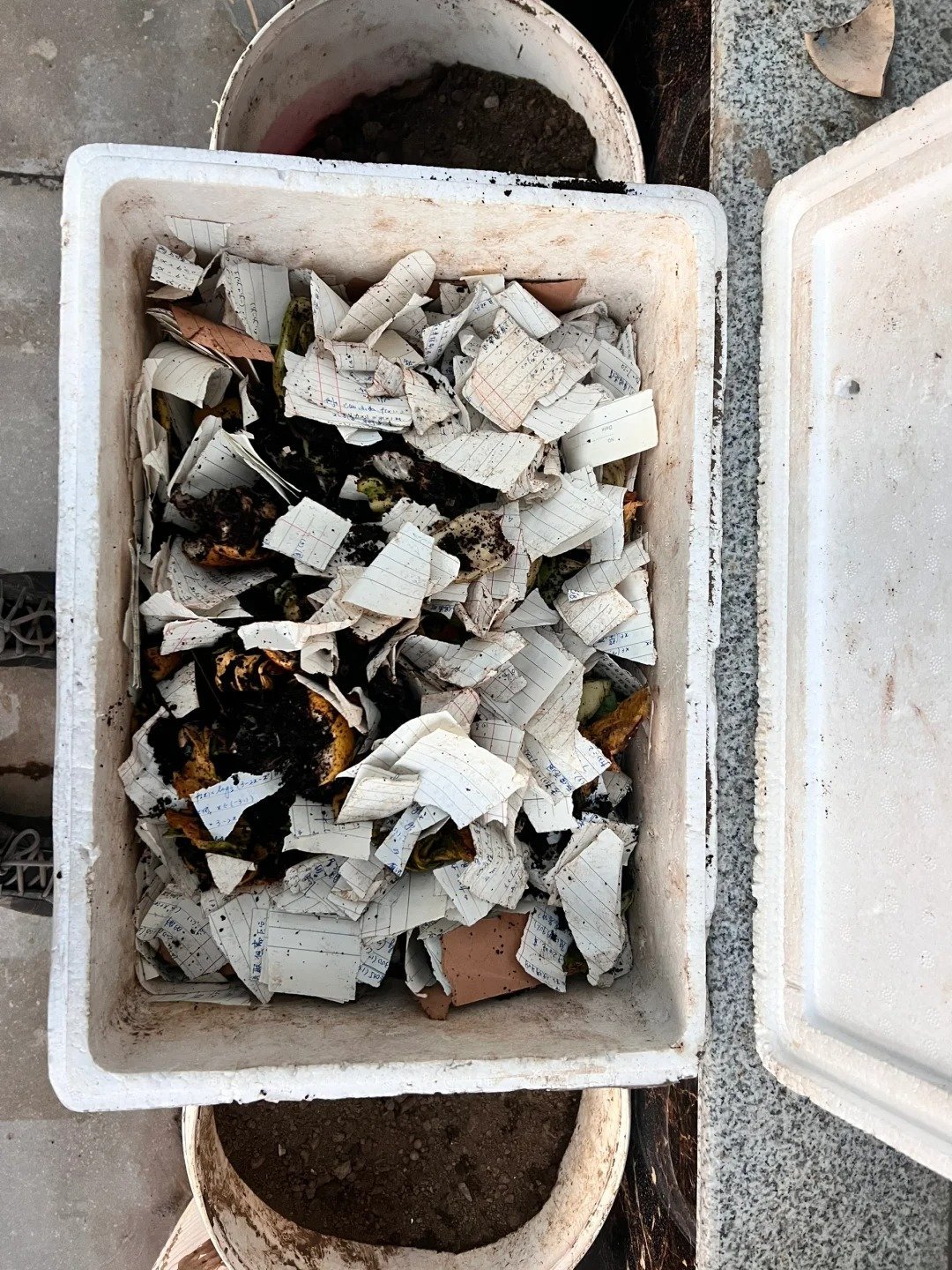
Why are Crown Win cardboard boxes ideal composting materials?
Our cardboard and paper packaging are designed with sustainability as the core concept: we use plastic free composite materials, 100% natural cellulose based materials, and environmentally friendly production processes to eliminate the use of toxic chemicals.
This means that our cardboard boxes can be organically decomposed without releasing harmful gases, in line with the global sustainable development goals and the 5R principles of sustainable packaging (reduce, reuse, recycle, renew, rot). Unlike laminated or plastic coated cardboard, our packaging can seamlessly integrate into composting systems, returning valuable carbon and nutrients to the soil.
Paper box composting preparation: the key first step
Remove all non compostable materials: Tear off glass paper, acrylic/silicone tape, plastic labels, and any metal fasteners that cannot decompose and can contaminate your soil, affecting your composting effectiveness.
Tear or shred into small pieces: Tear cardboard into 2-3 inch wide strips or small squares. Smaller cardboard fragments can increase the surface area for microbial activity, thereby accelerating decomposition.
Tip: You can first wet the cardboard slightly with water - this makes it easier to tear and won't tear unevenly.
Classified by thickness: If possible, separate thin cardboard from thick corrugated cardboard; Thinner materials decompose faster and can be composted in layers with green materials to achieve a balanced composting effect.
Cardboard composting is a science that requires a balance between carbon (brown material) and nitrogen (green material), adequate air circulation, and moisture - all of which are crucial for providing nutrients to microorganisms driving decomposition. Following the following industrial grade process can result in stable, high-quality compost:
1. Build a solid compost foundation
Firstly, lay a layer of 10cm (4-inch) thick cardboard fragments on the compost bin or designated stacking area (it is recommended to use a compost bin for faster composting results).
Add a layer of high carbon brown material (dead leaves, straw, wood ash) to increase carbon content - cardboard is a major brown material, and this layer can enhance microbial diversity.
Spray the bottom layer with clean water (rainwater is ideal as it has a neutral pH and low chlorine/fluorine content) until the material is moist (like a wrung out sponge) - do not over water as excessive moisture can cause decay and methane emissions.
2. Layering to maintain balance: follow a 4:1 brown to green ratio
Add a 10 centimeter (4 inch) thick layer of nitrogen rich green material (fresh grass clippings, vegetable and kitchen waste, animal manure) on top of the brown substrate.
Repeat the layering pattern of brown green brown green - strictly maintain a 4:1 volume ratio of brown to green to avoid slowing down the decomposition rate due to imbalanced proportions.
When the compost pile reaches the desired height (2-3 feet is optimal), cover it with a 2-inch (5 cm) thick layer of topsoil on top to introduce beneficial bacteria and fungi.
3. Ventilation and maintenance to achieve optimal decomposition effect
Ventilation is crucial for aerobic composting, an environmentally friendly and methane free composting process. To maintain the health of compost piles:
First flipping: After 5 days, use a fork to flip the outer layer of material to the center, and vice versa - this ensures even decomposition.
Regular ventilation: After that, turn over the pile and ventilate it every 7-14 days.
Humidity inspection: Check the compost pile every 3-7 days; If it is dry, spray a small amount of water to keep it moist. If it is too wet, add dry brown material (shredded cardboard, leaves) to absorb excess moisture.
Add new materials: In order to continue composting, layer fresh green and brown materials at the top, always maintaining a 4:1 ratio.
4. Harvest compost
In the composting bin: Cardboard composting will be completed within 6-8 months - search for darker colored, loose textured, soil like substances that should not contain visible cardboard fragments.
In open-air composting: decomposition takes 1-2 years, but the final compost is also rich in nutrients and suitable for large gardens.
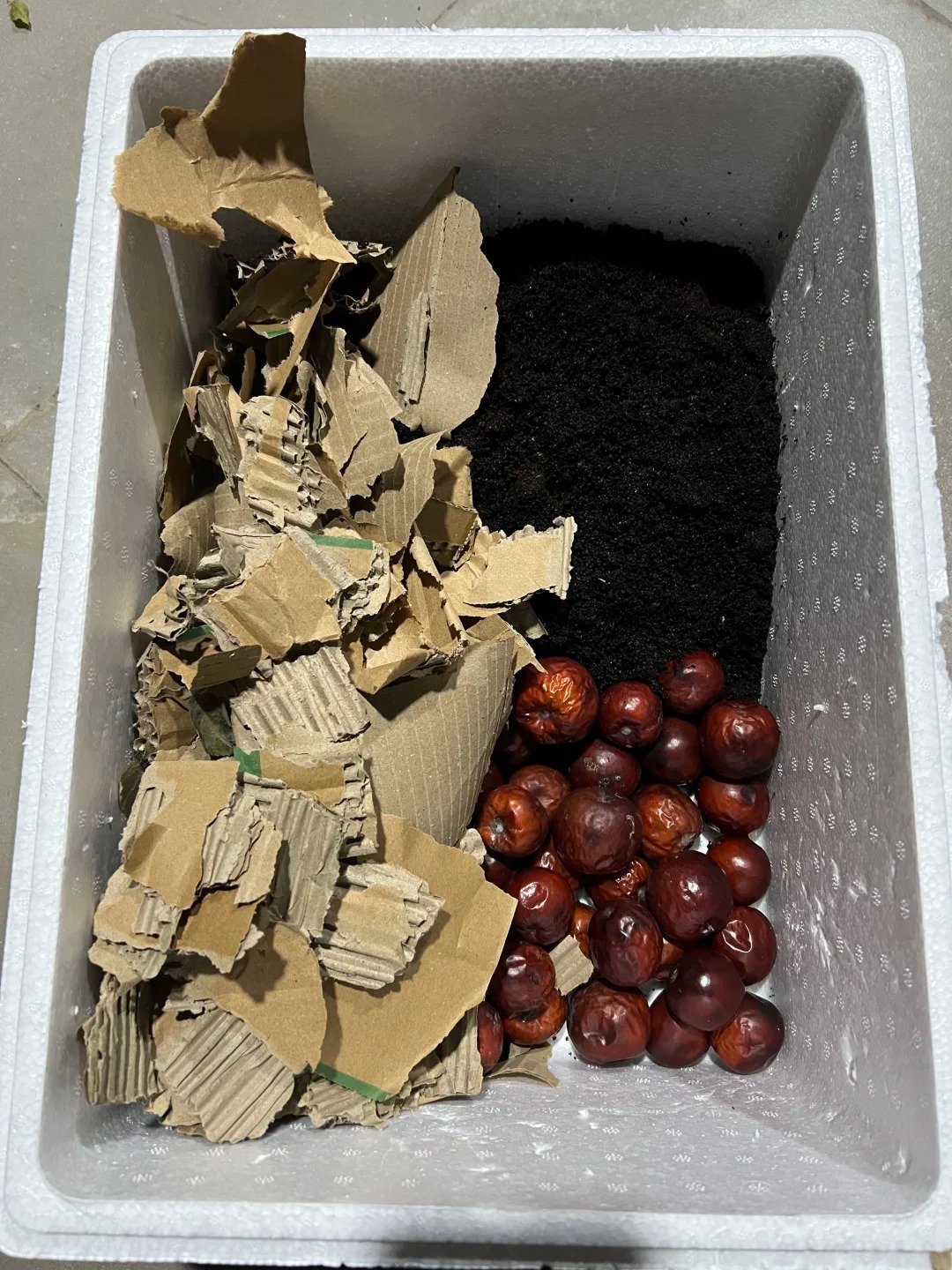
The Importance of Paperboard Composting for Sustainable Development
Composting the waste cardboard of Crown Win Box Manufacturer can bring three environmental benefits:
Reduce waste from landfills: Cardboard accounts for a large portion of urban waste - composting can prevent cardboard from being sent to landfills.
Reducing carbon footprint: Composting recycles carbon back into the soil instead of releasing it into the atmosphere, and eliminates the energy cost of cardboard recycling and transportation.
Natural soil improvement: The humus produced by cardboard composting can improve soil structure, water retention, and nutrient availability - making it ideal for organic horticulture, landscape beautification, and agricultural use.
At Crown Win Box Manufacturer, we not only produce packaging - the packaging we produce can give back to the earth. Composting cardboard boxes is a simple and effective method that can convert waste into resources, enabling your business or household to practice sustainable development concepts and jointly safeguard the earth's environment.
Contact us immediately to embark on your customized journey:
WhatsApp:+86 13925505272
Email: maberry@crownwin.com.cn